
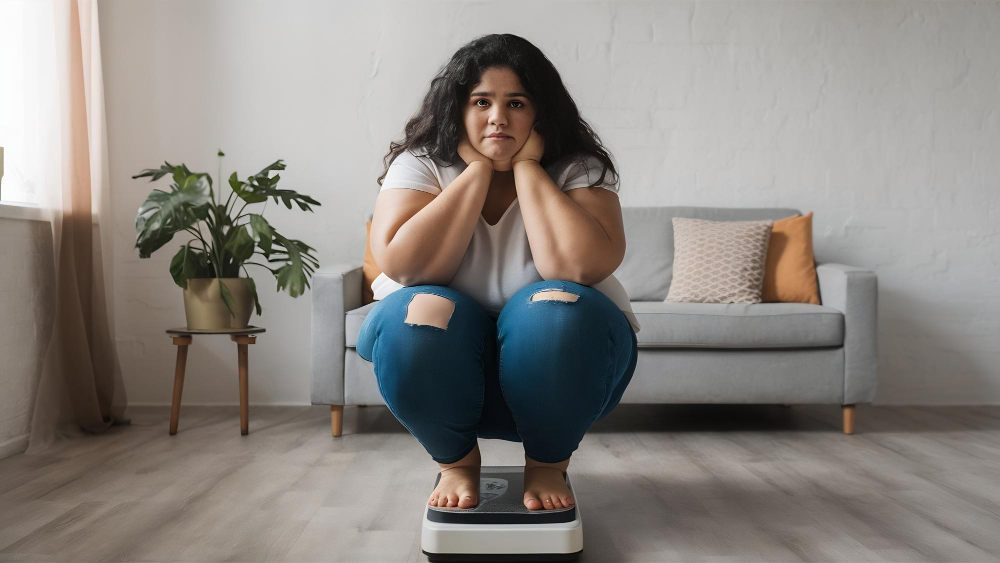
Polycystic Ovary Syndrome, or PCOS, is a common health condition. It affects women of childbearing age. PCOS can cause hormone changes, irregular periods, and small cysts on the ovaries. Many women with PCOS also struggle with weight gain. Because of this, PCOS and weight loss often go hand in hand when talking about managing symptoms.
How PCOS Affects Weight and Metabolism
PCOS can make it harder to lose weight. This is because it affects how your body uses insulin. Insulin is a hormone that helps control blood sugar. When your body does not use insulin well, it stores more fat. As a result, women with PCOS may gain weight more easily, especially around the belly. However, even a small amount of weight loss can help improve symptoms.
Common Symptoms Related to Weight Gain in PCOS
Many women with PCOS notice changes in their bodies. For example, weight gain is a common problem. But there are other symptoms too. These may include:Irregular periods or missed periodsExtra hair growth on the face or bodyAcne or oily skinThinning hair on the scalpDark patches of skin, often on the neck or underarms
Because these symptoms can affect self-esteem, managing weight is important for many women with PCOS.
Evidence-Based Weight Loss Strategies for PCOS
Although losing weight with PCOS can be tough, it is possible. In fact, research shows that even a 5% weight loss can improve symptoms. Here are some proven strategies:
Healthy Eating Tips
Choose whole grains, fruits, and vegetablesEat lean proteins like chicken, fish, or beansLimit sugary foods and drinksPick healthy fats, such as olive oil or nutsEat smaller, balanced meals throughout the day
For many women, a “PCOS diet” means focusing on foods that keep blood sugar steady. Because of this, low-glycemic foods are often helpful.
Exercise and Physical Activity
Try to get at least 30 minutes of activity most daysWalking, swimming, or cycling are good choicesStrength training can help build muscle and burn fatMix different types of exercise for best results
Even small changes, like taking the stairs, can make a difference over time.
Lifestyle Changes
Get enough sleep each nightManage stress with deep breathing or yogaTrack your progress to stay motivated
Because stress can make symptoms worse, finding ways to relax is important.
Medical Treatments and When to Seek Help
Sometimes, lifestyle changes are not enough. In these cases, doctors may suggest medicine. For example, some women take birth control pills to help with periods. Others may use medicines like metformin to help control blood sugar. If you are having trouble losing weight, talk to your doctor. They can help find the right plan for you.
Prevention Tips and Lifestyle Guidance
While PCOS cannot always be prevented, healthy habits can lower your risk of problems. For instance, eating well and staying active can help manage your weight. Here are some tips:Plan meals ahead to avoid unhealthy choicesDrink plenty of water each dayLimit processed foods and snacksStay connected with friends or support groups
Because small steps add up, start with one change at a time.
Frequently Asked Questions About PCOS and Weight Loss
Is it possible to lose weight with PCOS?Yes, but it may take more time and effort. Even small weight loss can help.What is the best diet for PCOS?There is no single “PCOS diet.” However, low-glycemic foods and balanced meals are helpful.Can exercise help with PCOS symptoms?Yes, regular activity can improve weight, mood, and hormone balance.When should I see a doctor?If you have trouble losing weight or notice new symptoms, talk to your doctor.
Conclusion
Managing PCOS and weight loss can feel challenging. However, with the right strategies, you can improve your health and well-being. Remember, every small step counts. Consult a healthcare specialist for personalized advice on PCOS and weight loss.